The PPWR 50% Empty Space Ratio: How to Measure and Comply
Learn how the PPWR regulates empty space ratio packaging, why void fill counts as empty space, and what e-commerce sellers must do before the 2030 deadline.
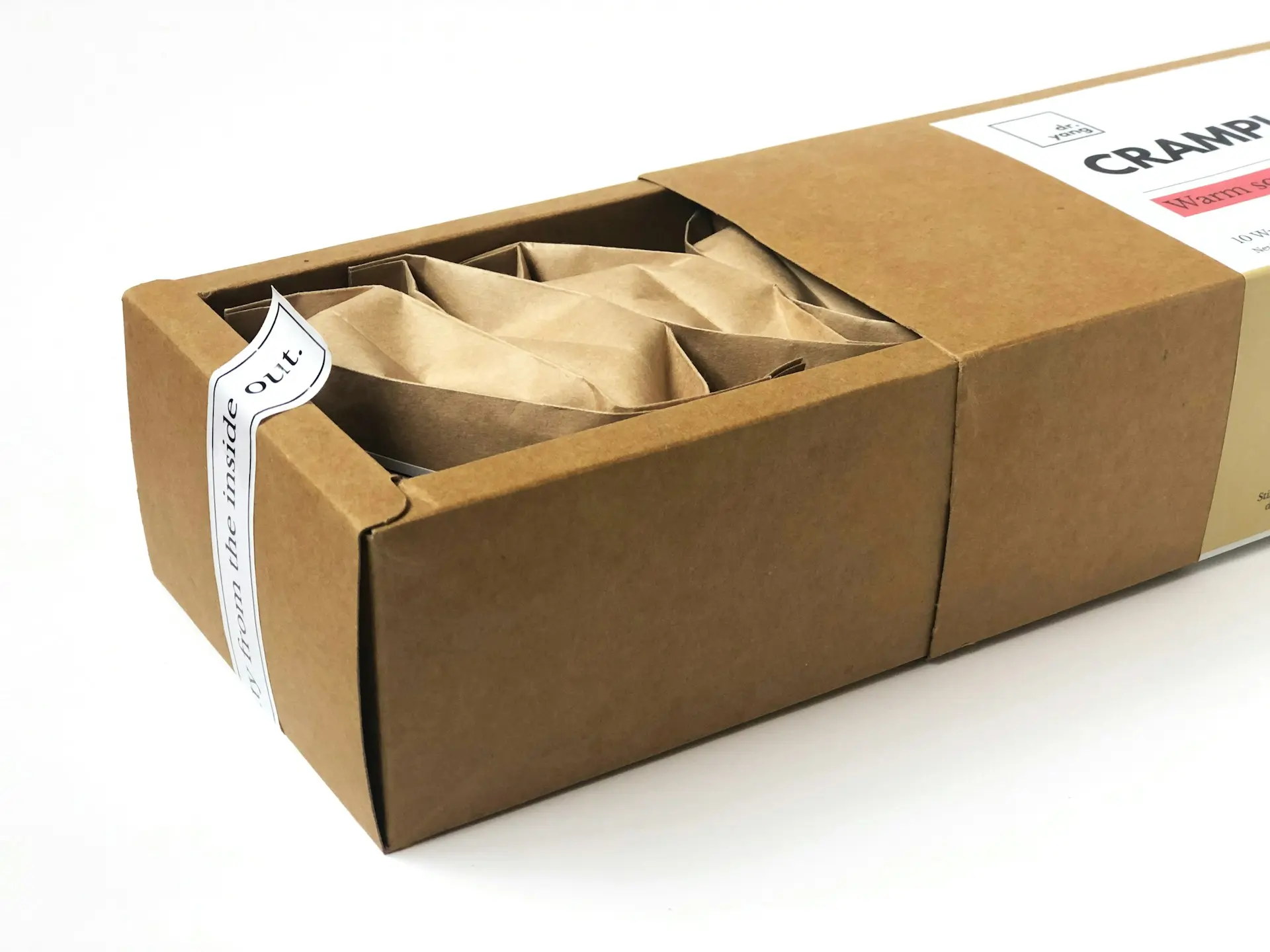
E-commerce fulfillment relies on speed. Most fulfillment centers purchase a few standard box sizes, place the customer's order inside, and stuff the remaining volume with bubble wrap so the item survives transit. It is a logical operational choice, but under the new EU packaging laws, it will soon become a regulatory violation.
The new rules target oversized boxes directly, forcing brands to adopt right-sized packaging solutions. If you want to continue shipping to European customers, you must understand the new limits for empty space ratio packaging and how authorities will measure your compliance. Here is what your operations team needs to know.
- E-commerce and transport packaging must not exceed a 50 percent empty space ratio by 1 January 2030.
- General packaging minimisation rules under Article 10 take effect much earlier, on 12 August 2026.
- Void fill materials like bubble wrap and packing peanuts legally count as empty space.
- The European Commission will publish the exact calculation methodology by 12 February 2028.
What is the PPWR empty space ratio packaging rule?
Under Article 24 of the regulation, economic operators who place transport packaging, grouped packaging, or e-commerce packaging on the market must ensure that the empty space ratio is a maximum of 50 percent.
Early drafts of the legislation proposed a stricter 40 percent threshold, which is still frequently cited in industry discussions, but the final legal framework established the hard cap at 50 percent. This rule specifically targets the common practice of shipping small retail items in massive outer cartons. The European Union intends to eliminate the environmental and logistical waste of transporting air across the continent.
Does void fill count as empty space?
Yes. This is the specific detail that catches most e-commerce sellers off guard. You cannot bypass the new regulation by stuffing an oversized box with protective materials.
The law explicitly states that void-fill materials such as bubble wrap, foam, air pillows, and crumpled paper count toward the empty space calculation. You cannot simply fill a large box with packing peanuts and claim the box is full. To comply with the law, you must physically shrink the outer dimensions of the shipping container so that it closely fits the product being shipped.
How will the calculation work in practice?
The basic math compares the volume of the packed products against the total inner volume of the transport packaging. However, the exact technical methodology is still being drafted by regulatory bodies.
Paragraph 2 of Article 24 dictates that the European Commission will adopt implementing acts by 12 February 2028 to establish the precise calculation methodology for the empty space ratio. Until the Commission publishes this specific formula, businesses must begin auditing their box sizes, identifying the worst offenders in their catalogue, and redesigning their fulfillment strategies based on the general limits.
Rather than treating packaging optimization as a distant problem for 2030, smart operators recognize that general minimisation rules take effect in 2026, meaning your excessively large shipping boxes are a compliance liability right now.
Are there exceptions to the 50 percent cap?
Yes, the regulation includes practical flexibility for specific packaging formats that cannot reasonably meet the strict space limits without compromising their function.
For example, reusable packaging is treated differently throughout the PPWR. The law recognises that reusable systems might require more durable packaging formats and extra protective space to ensure the container can withstand multiple rotations and reverse logistics cycles. Forcing a strict 50 percent cap on a heavy-duty reusable delivery tote might cause it to break during transit, defeating the purpose of the reuse system entirely.
When do the empty space rules take effect?
There are two separate deadlines you must track regarding packaging size limits. The hard 50 percent cap specifically mandated for e-commerce and transport packaging applies from 1 January 2030.
However, the general packaging minimisation principles established in Article 10 of the regulation apply much sooner, taking effect on 12 August 2026. Article 10 requires you to reduce packaging weight and volume to the absolute minimum necessary for the safety and functionality of the packaged product. This means you must start right-sizing your packaging by 2026, long before the 50 percent mathematical cap becomes strictly enforced at border checkpoints.
What should your operations team do next?
You need to review your packaging procurement immediately. If your business relies on buying massive quantities of generic, oversized shipping boxes to simplify warehouse operations, you need a new strategy.
You should explore right-sized packaging solutions, such as automated box-making systems, intelligent packing software, or dimension-scanning equipment that creates custom packaging for each order. Furthermore, you must update your PPWR technical documentation to prove that your packaging complies with these ongoing minimisation requirements.
Do not risk market exclusion because of missing supplier data. Join our waitlist today to automate your compliance tracking and ensure your packaging data is always ready for inspection.
Sources:
- Regulation (EU) 2025/40 - Article 24: Empty space ratio
- Regulation (EU) 2025/40 - Article 10: Packaging minimisation
- PPWR Introduces New 50% Empty Space Rules for E-commerce Packaging
- PPWR Compliance Checklist for E-Commerce 2026
- FAQ: What You Need to Know About the EU Packaging and Packaging Waste Regulation (PPWR)