The EPR Compliance Checklist for Online Sellers
A practical 8-step checklist for e-commerce merchants to manage their EU packaging compliance, from registering with local schemes to reporting material weights.
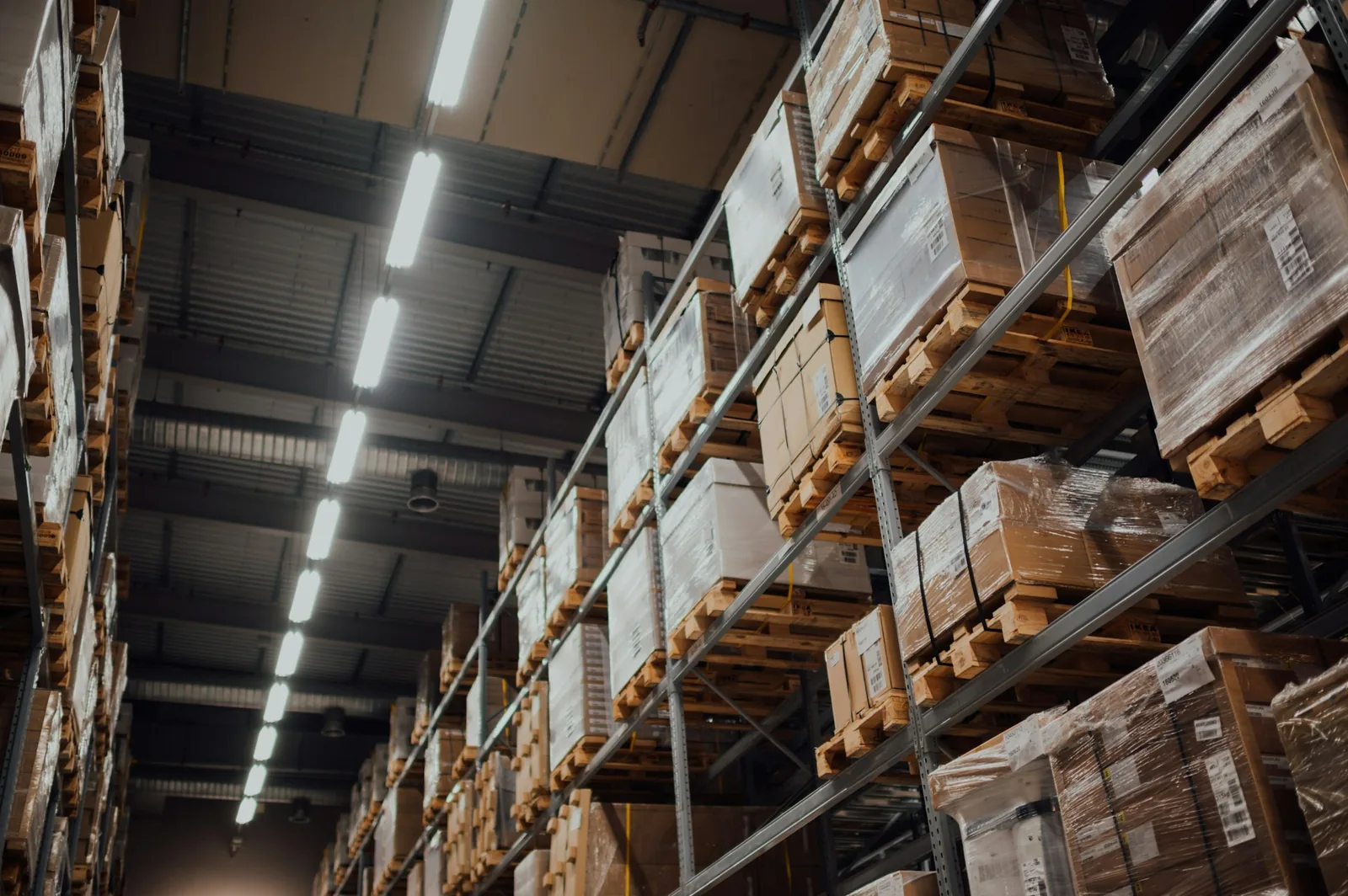
If you ship physical products to EU customers, you are legally responsible for the packaging waste you generate. You likely spend hours in spreadsheets trying to match packaging weights to foreign material codes while worrying about getting fined or having your listings blocked by marketplaces. This 8-step checklist provides a clear sequence of actions to set up and maintain your packaging compliance across Europe.
Key takeaways
- Registering for compliance is a national obligation for every country you ship to.
- You need to separate packaging weights by material type and intended use.
- Reporting schedules vary from monthly to annually based on your sales volume.
| Step | Action | Description |
|---|---|---|
| 1 | Confirm obligation | Check if you are the first distributor of packaging in a destination country. |
| 2 | Appoint representative | Secure a local authorised representative if cross-border rules require it. |
| 3 | Register locally | Obtain a registration number from the national authority and join a PRO. |
| 4 | Collect weights | Calculate the exact kilograms of packaging you ship by material type. |
| 5 | File reports | Submit your packaging data on the required monthly, quarterly, or annual schedule. |
| 6 | Pay fees | Pay the eco-modulated invoices issued by your Producer Responsibility Organisation. |
| 7 | Maintain records | Keep a reproducible audit trail of your orders and packaging weights. |
| 8 | Monitor changes | Track new country thresholds and register before shipping to new markets. |
Step 1: Check where you count as an obligated producer
Your first task is to confirm whether you count as an obligated producer. In the context of EU packaging law, a producer is usually the entity that places a packaged product on a national market for the first time. If you operate an e-commerce store in Sweden and ship a packaged order directly to a private consumer in Germany, you act as the producer in Germany. You must comply with the local packaging laws of the destination country regardless of where your business is headquartered.
Step 2: Appoint an authorised representative if crossing borders
Many EU countries require foreign businesses to appoint a local legal entity to handle their compliance. This authorised representative takes responsibility for your administrative duties in that territory. For example, registering on the Spanish MITECO electronic product producers registry requires an authorised representative if your business address is outside of Spain.
Step 3: Register with the national authority and join a PRO
You must register with the national packaging authority in each target market to get your EPR registration number and obtain your unique identifier. In France, this means registering on the French ADEME SYDEREP registration portal to receive your Unique Identification Number (IDU). Once registered with the authority, you must enter into a contract with an approved Producer Responsibility Organisation (PRO). The PRO is the entity that physically finances the recycling of your packaging.
In Germany, failing to register packaging or report packaging volumes in the LUCID registry constitutes an administrative offence punishable by fines of up to 200,000 euros and subsequent marketing bans.
Step 4: Collect your packaging weights by material
You cannot submit rough estimates. You must collect your packaging data by extracting the exact weight in kilograms for every material type you ship. This includes primary product packaging, secondary shipping boxes, and tertiary materials like tape and void fill. Many countries also require you to classify the end user. As an example, the Swedish Environmental Protection Agency reporting divisions force producers to report packaging volumes separated by private household use versus commercial business use.
Calculate your exact material weights and let Gram turn your real orders into filing-ready reports automatically.
Step 5: File your reports on the correct local schedule
Once you have your data, you must declare it to your chosen PRO. Reporting cadences depend entirely on the country and your specific sales volume. In Sweden, the NPA packaging fee reporting deadlines require companies with packaging fees under 120,000 SEK per year to report quarterly. Companies exceeding that threshold must report their figures every month. In Germany, you must submit a declaration of your planned quantities at the start of the year and confirm your actual shipped quantities in an annual report by 15 May.
Step 6: Pay your eco-modulated fees
After you file your data, your PRO will invoice you. These fees fund the national recycling infrastructure and are calculated using eco-modulation, and you can see exactly how these packaging fees are calculated if you want the full formula. Eco-modulation is a pricing mechanism that penalises hard-to-recycle materials and rewards sustainable design. In Sweden, reporting red plastic costs you roughly 65 percent more per kilogram than green plastic. Paying these fees on time keeps your registration active and your marketplace listings secure.
Step 7: Keep your records audit ready
Regulators and PROs perform audits to catch companies that underreport their weights. You must maintain a clear, timestamped paper trail connecting your raw e-commerce orders to the final kilograms you declared. If you face an audit, you need to provide evidence that your material classifications and weight calculations are accurate.
Step 8: Renew and monitor new market thresholds
Compliance requires ongoing maintenance. As you expand into new European markets, you must check local volume thresholds before you start shipping. For example, the Verpact packaging administration 50,000 kg threshold in the Netherlands exempts small producers from paying waste management fees on standard packaging. However, single-use plastics and deposit-bearing containers have a zero-kilogram threshold, meaning you must register and pay from the very first unit.
Stop battling foreign material codes and complex spreadsheets. Get started with Gram to generate accurate packaging reports for every country and automate your compliance tracking.
Sources:
Frequently asked questions
- Do I need an EPR number for every EU country I sell to?
- Yes. Extended Producer Responsibility is managed on a national level, so you must register with the local packaging authority and join a Producer Responsibility Organisation in each country where you ship goods.
- What data do I need to collect for my packaging reports?
- You must track the total weight of your packaging in kilograms, separated by material types such as paper, plastic, and glass, as well as by household or commercial use depending on the specific market.
- How often do I need to report my packaging volumes?
- Reporting schedules depend on the country and your packaging volume. For example, Swedish producers with fees under 120,000 SEK report quarterly, while larger producers report monthly.