Reusable Packaging and the 2030 Checkout Rule
The EU Packaging and Packaging Waste Regulation sets strict targets for reusable packaging by 2030. Here is what online sellers and retailers must do to comply.
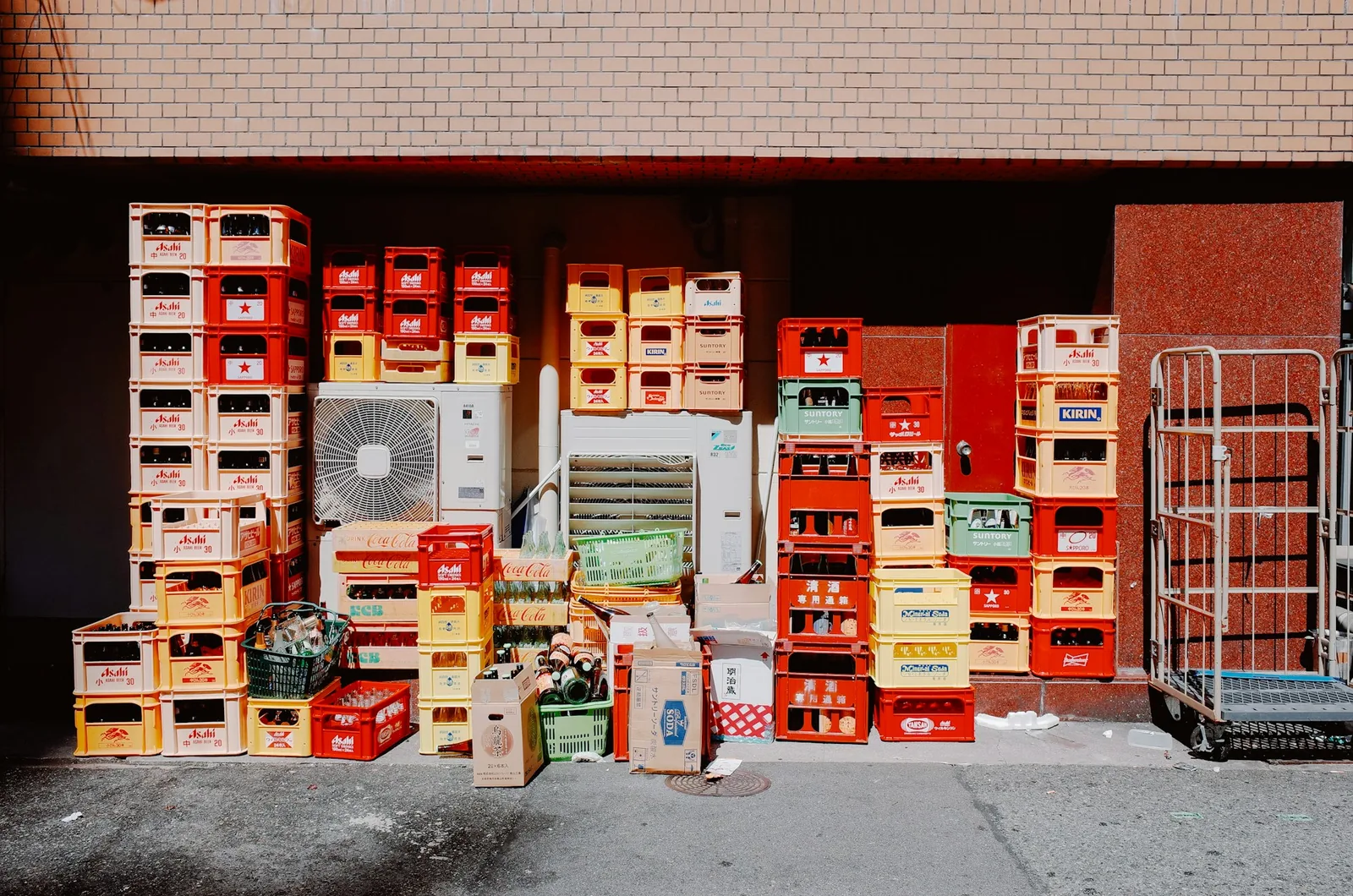
If you ship physical products to EU customers or hand over takeaway food, you are facing a major shift in how you package your goods. The EU Packaging and Packaging Waste Regulation (PPWR) will legally mandate reusable packaging for many businesses starting in 2030. You might be worried about overhauling your entire logistics chain or facing fines for non-compliance. Here is exactly what the new law requires and how you can prepare your business.
Key takeaways
- Reusable packaging must be designed for multiple trips and belong to a formal reuse system.
- E-commerce sellers must meet 40 percent reuse targets for transport packaging by 1 January 2030.
- Final distributors of beverages must make 10 percent of their products available in reusable packaging by 2030.
- Takeaway food providers must let customers use their own containers by 12 February 2027.
What legally makes packaging reusable under the PPWR?
Packaging only counts as reusable if it meets strict legal criteria. According to Article 11 of the PPWR on reusable packaging, it must be conceived and designed to accomplish as many rotations as possible under normal conditions. You cannot simply label a thick plastic box as reusable. It must be capable of being emptied without damage, reconditioned, and refilled while maintaining product quality and safety.
Crucially, the packaging must be part of a functioning reuse system. This means there are technical and financial arrangements in place, such as a deposit and return system, that ensure the packaging is actually collected and used again.
What are the 2030 reuse targets for e-commerce and retail?
From 1 January 2030, the law imposes binding reuse targets on specific packaging formats. If you use transport packaging or sales packaging for transporting products, you must ensure that at least 40 percent is reusable within a formal system. You can find out exactly how this impacts your logistics in our guide to transport packaging under the PPWR.
Grouped packaging faces similar mandates. Economic operators using grouped packaging in the form of boxes (excluding cardboard) must ensure that at least 10 percent is reusable by 1 January 2030.
For beverage distributors, the requirements are equally strict. Final distributors making alcoholic and non-alcoholic beverages available to consumers must ensure that at least 10 percent of those products are sold in reusable packaging within a reuse system. Milk and other highly perishable beverages are exempt from this specific target.
From 1 January 2030, final distributors of alcoholic and non-alcoholic beverages must ensure that at least 10 percent of these products are made available in reusable packaging within a reuse system.
When do the takeaway food and refill rules apply?
If you operate in the hospitality or takeaway sector, you have an earlier timeline. By 12 February 2027, you must provide a system that allows consumers to bring their own containers to be filled, and the EU Commission's PPWR guidance document confirms you must offer this at no higher cost than the single-use alternative.
Exactly one year later, by 12 February 2028, you must give consumers the option of obtaining their takeaway food and cold or hot beverages in reusable packaging within a system for reuse. You are required to inform consumers of this option through clearly visible signs at the point of sale.
Get started with Gram to automate your packaging compliance data and stay ahead of these deadlines.
How does reuse interact with empty space and recyclability rules?
The PPWR is a comprehensive framework, and its rules overlap. Even if your packaging is designed for multiple rotations, it must still be fully recyclable when it finally becomes waste. Proving your packaging is recyclable under PPWR is mandatory, and reusable items must still meet the Article 6 design for recycling criteria.
There is a benefit to adopting reusable systems. While the regulation demands that grouped, transport, and e-commerce packaging contain no more than 50 percent empty space, the PPWR grants an empty-space exemption for reusable packaging circulating within closed loop systems. This gives you more flexibility in box sizing if you operate a compliant return mechanism.
What practical steps should you take now to prepare?
You have time before the 2030 checkout rules take effect, but establishing a reverse logistics network takes planning. To protect your market access, you should take these steps today:
- Audit your formats: Review your current packaging catalogue to identify which boxes, mailers, and beverage containers fall under the 2030 targets.
- Join or set up a reuse system: You need a structured way to collect empty packaging. Assess whether you can build a closed loop system internally or if you need to join an open loop system with an established operator.
- Track rotation rates: The European Commission will eventually require digital labels, like QR codes, to track trips and rotations. Start planning your data infrastructure to ensure you can prove your packaging is actually being reused.
If you want to understand how these targets fit into the broader legislative picture, review our PPWR compliance timeline.
Stop wasting hours calculating material weights manually. Get started with Gram and turn your real e-commerce orders into filing-ready packaging reports instantly.
Sources:
Frequently asked questions
- What counts as reusable packaging under the PPWR?
- Packaging is legally reusable if it is designed for multiple rotations, can be emptied without damage, and participates in an active reuse system. It must also be fully recyclable at the end of its life.
- When do the takeaway container rules start?
- By 12 February 2027, hospitality businesses must allow customers to bring their own containers. By 12 February 2028, they must offer a reusable packaging option for takeaway food and drinks.
- Do e-commerce sellers have reusable packaging targets?
- Yes. E-commerce transport and sales packaging used for transport must meet a 40 percent reuse target by 1 January 2030.