Composite Packaging and EPR: How to Report Multi-Material Packaging
Learn how EPR schemes treat composite packaging versus separable multi-component packaging, and how to report your material weights accurately.
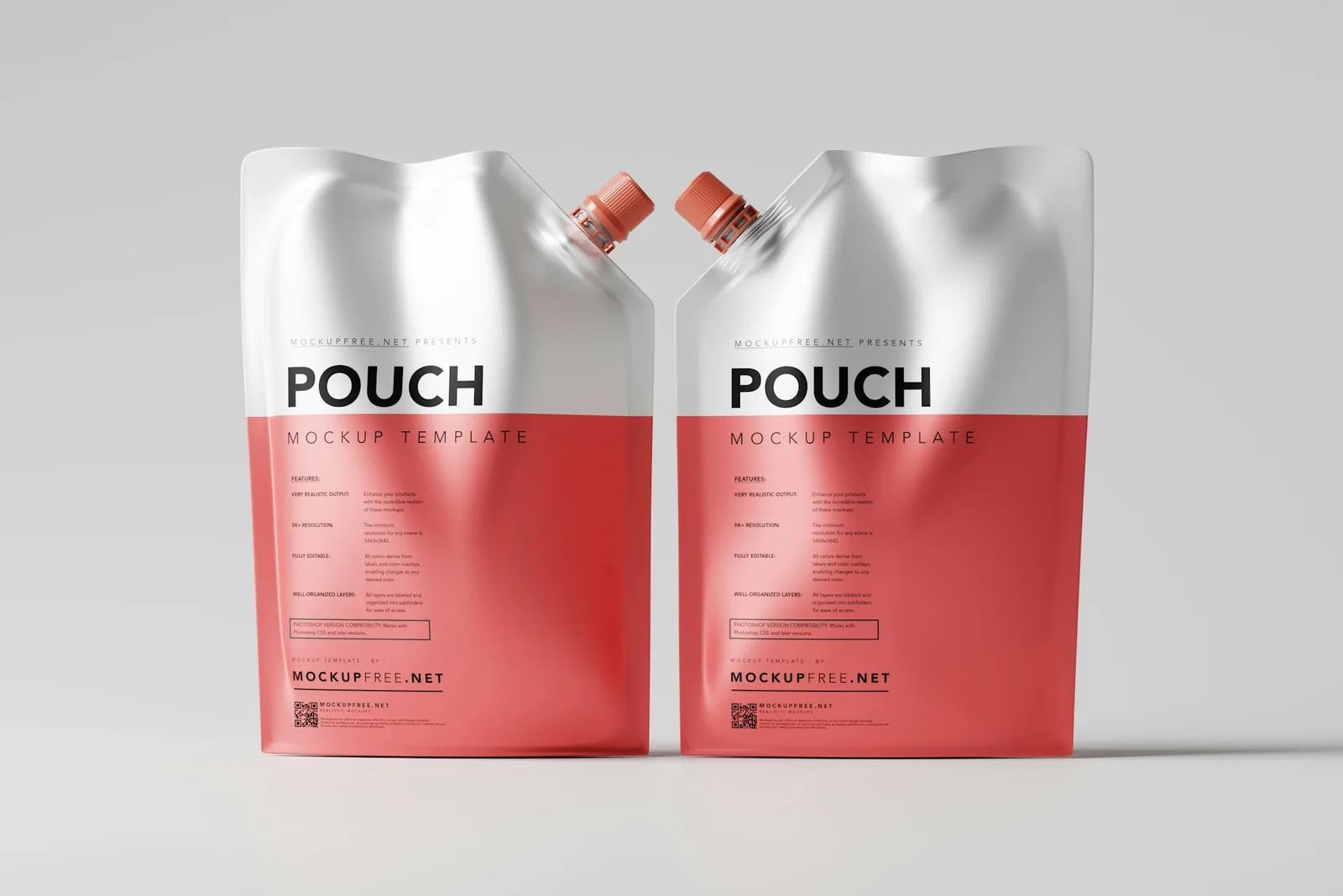
You sell goods in a paper box with a clear plastic window or a padded mailer lined with bubble wrap. When it is time to calculate your packaging weights for Extended Producer Responsibility, do you log the item as paper, plastic, or both? Guessing wrong leads to audit failures and overpaying on compliance fees. This guide explains how to handle composite packaging EPR reporting using exact material data.
What counts as composite packaging for EPR?
Composite packaging means two or more different materials bonded together that cannot be separated by hand, forming a single unit. Examples include beverage cartons, laminated pouches, and padded mailers. If the consumer can pull the pieces apart easily, it is multi-component packaging rather than a true composite.
The PPWR definition of composite packaging establishes a strict baseline across the European Union. A bonded package is a composite unless one of the materials makes up a very insignificant part of the total weight.
How do I report separable multi-component packaging?
If the packaging has parts that can be physically separated, such as a cardboard box with a removable plastic tray, you must weigh and report each material separately under its specific category.
You cannot bundle the weight under the main material. When preparing your data, you must isolate the mass of the box from the mass of the tray. Finding the exact mass for each piece is the most critical step when you collect your packaging data.
How do the 5 percent threshold rules work?
Many sellers get confused by the 5 percent threshold. Under the new European framework and the German minimum standard for determining recyclability, if a secondary material represents 5 percent or less of the total mass, the packaging is usually not treated as a composite.
For example, a paper box with a tiny plastic window weighing 2 percent of the total mass is reported entirely as paper. However, if that plastic window weighs 6 percent and cannot be removed, the item becomes a composite.
Why do composites attract eco-modulation surcharges?
Producer Responsibility Organisations heavily penalise composite packaging because bonded materials disrupt mechanical recycling facilities. These items require specialised processing, so you pay a higher fee.
Under the official Citeo eco-contribution rates, producers face a significant malus surcharge on complex or multi-layer plastics that disrupt sorting and recycling. If you want to optimise your compliance bills, understanding how eco-modulation rewards better design is the best strategy. Switch from a bonded paper and plastic mailer to a 100 percent paper alternative to see an immediate drop in your liability.
A paper mailer with a plastic bubble lining exceeding 5 percent of the total weight must be declared as a composite, meaning only the dominant material is recovered while the seller pays a premium surcharge.
If tracking these material thresholds sounds like a nightmare, let Gram do the calculations from your live order data.
How do different countries treat multi-material packaging?
Reporting rules vary dramatically by country. In Germany, the LUCID packaging register data requirements demand precise fractional breakdowns of your materials.
In Sweden, the Swedish Naturvardsverket official reporting guidelines mandate dual-stream reporting. The Swedish system applies an inseparable majority material rule for fee reporting to the Producer Responsibility Organisation, but requires a full material breakdown for the annual government report. A carton might be reported as 27 grams of paper to the PRO, but declared as 21 grams of paper and 6 grams of plastic to the state.
What is the best way to report multi-material packaging defensibly?
You need to audit your SKUs to know the exact weight of paper, plastic, metal, and glass in every shipment. Determine if the parts are separable by the consumer. If they are permanently bonded, calculate the percentage split to see if you trigger the 5 percent threshold.
Following a strict EPR compliance checklist for online sellers ensures you have the documentation ready for an audit. Accurate data prevents marketplace suspensions and protects your margins from unnecessary surcharges.
Ready to stop calculating these complex material splits manually? Let Gram handle your packaging compliance automatically.
Sources:
Frequently asked questions
- What is the difference between composite and multi-component packaging?
- Composite packaging consists of materials bonded together that cannot be separated by hand, such as a paper mailer with a bubble wrap lining. Multi-component packaging consists of separate pieces, like a cardboard box with a removable plastic insert.
- What is the 5 percent rule for composite packaging?
- Under the upcoming PPWR and in many national minimum standards, if a secondary material makes up 5 percent or less of the total packaging weight, the item is often treated as a mono-material rather than a composite.
- Do composite materials cost more in EPR fees?
- Yes. Because composites are difficult to recycle, Producer Responsibility Organisations often apply eco-modulation surcharges, which can significantly increase your compliance costs.