Eco-Modulation: How to Lower Your Packaging Fees by Design
Eco-modulation adjusts your Extended Producer Responsibility fees based on packaging recyclability. Learn how to lower your compliance costs through smarter design choices.
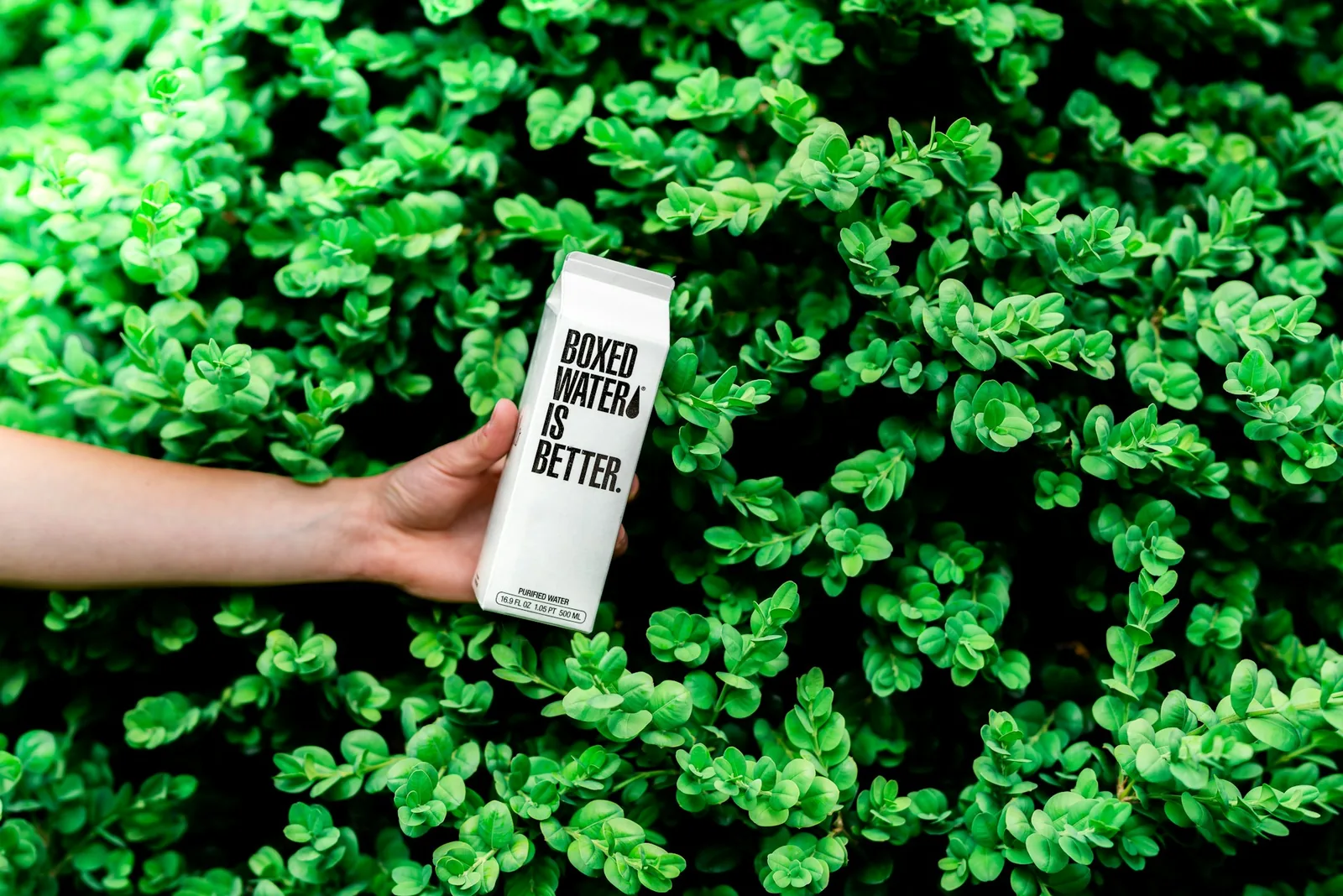
If you sell physical products across Europe, you already know that Extended Producer Responsibility (EPR) packaging bills take a serious bite out of your margins. You spend hours attempting to predict costs and classify materials, only to be surprised when the final invoices arrive. The secret to controlling these costs is not just better reporting; it is understanding eco-modulation. This pricing mechanism means the exact materials you choose directly dictate your final bill. By changing your packaging design, you can significantly lower your compliance costs while avoiding severe penalties.
Key takeaways
- Eco-modulation applies financial bonuses for easily recyclable packaging and penalties for problematic materials.
- Switching to mono-materials and removing non-soluble adhesives can cut your per-item compliance fees significantly.
- Major markets like France, Denmark, and Sweden strictly enforce these graduated fees and will increase penalties over time.
What is eco-modulation?
As we explain in our guide to how EPR fees are calculated, the total cost is not just a flat rate based on weight. Producer Responsibility Organisations apply a multiplier known as eco-modulation. This system is a bonus-malus mechanism designed to penalise packaging that disrupts recycling facilities and reward packaging that is easily sorted and processed.
If your packaging includes components that cannot be mechanically separated, you pay a malus, or penalty surcharge. If you use clean, highly recyclable materials, you receive a bonus that reduces your base rate.
Eco-modulation multipliers can reduce fees by up to 50 percent for easily recyclable designs or increase them by 100 percent or more for problematic packaging.
How do different countries apply penalties?
Every European country implements these rules differently, which creates a complex administrative burden for cross-border sellers.
In Denmark, the Danish VANA eco-modulated packaging fee criteria categorise packaging into green, yellow, and red tiers. If your packaging falls into the red tier, for instance by using polyvinyl chloride (PVC) or PET-G, you are hit with an automatic 35 percent malus surcharge on your operational waste management costs.
France uses a highly detailed system. Under the Citeo 2026 household packaging fee tariffs, using transparent PET plastic earns a 10 percent bonus reduction. Conversely, complex or multi-layer plastics face a penalty of up to 25 percent. They also apply a 1.2 multiplier penalty for oversized packaging in the cosmetics and electronics sectors. You can read more about these specific country mechanics in our guide to EPR in France.
In Sweden, the system heavily favours eco-design. The Swedish NPA 2026 and 2027 packaging fees show that hard-to-recycle red tier plastic costs roughly 65 percent more per kilogram than highly recyclable green tier plastic (26.15 SEK per kilogram versus 15.86 SEK per kilogram).
| Country | Scheme | Penalty/Bonus Examples |
|---|---|---|
| Denmark | VANA | 35 percent malus for red-tier materials |
| France | Citeo | 10 percent bonus for clear PET; up to 25 percent penalty for complex plastics |
| Sweden | NPA | 65 percent premium for red-tier plastics compared to green-tier |
What packaging designs trigger penalties?
The most common trigger for a heavy penalty is composite or multi-material packaging. A padded paper mailer lined with plastic bubble wrap cannot be easily separated by a consumer. Most Producer Responsibility Organisations will classify this entirely under a composite fraction. This carries exceptionally high licensing fees because it is destined for incineration rather than mechanical recycling.
Other common design choices that attract penalties include:
- Dark or opaque plastics that optical sorting machines cannot detect in recycling facilities.
- Cardboard reinforced with non-paper materials.
- Paper labels applied to glass jars using heavy, non-soluble adhesives.
How can you lower your fees by design?
You can actively manage these costs by conducting a simple packaging audit with your suppliers. Transitioning away from multi-material formats to clear mono-materials is the fastest way to drop into a cheaper tariff bracket. For example, replacing a plastic-lined mailer with a 100 percent paper mailer will immediately lower your rate.
Additionally, incorporating recycled materials directly reduces your bill. In France, hitting an 80 percent recycled material threshold can trigger up to a 15 percent fee reduction.
Stop letting complex fee schedules dictate your profitability. You can join the Gram waitlist to see how Gram automatically calculates your packaging liabilities across all your active markets.
Will the PPWR change eco-modulation?
Yes. While eco-modulation is currently determined by national organisations, the European Union is standardising this process. As we cover in PPWR explained, the regulation states that by 1 January 2030, all packaging must meet strict design-for-recycling criteria and will be assigned a performance grade of A, B, or C.
From 1 July 2029, all member states must legally modulate their national EPR fees based on these specific PPWR recyclability performance grades and targets. Packaging that falls into grade C will face severe financial penalties. By 2038, grade C packaging will be banned from the market entirely, meaning eco-modulation is shifting from a financial incentive to a strict market access requirement.
Don't wait for your next invoice to find out you are overpaying for non-compliant packaging. Join our waitlist and let Gram automate your EU packaging compliance and fee reporting from start to finish.
Sources: